

Quantitative risk analysis
Quantify uncertainty. Protect confidence.
Quantitative Risk Analysis (QRA), Quantitative Schedule Risk Analysis (QSRA), and Quantitative Cost Risk Analysis (QCRA) for defensible contingency and delivery decisions.
Decision evidence
See the uncertainty. Explain the choice. Govern the response.
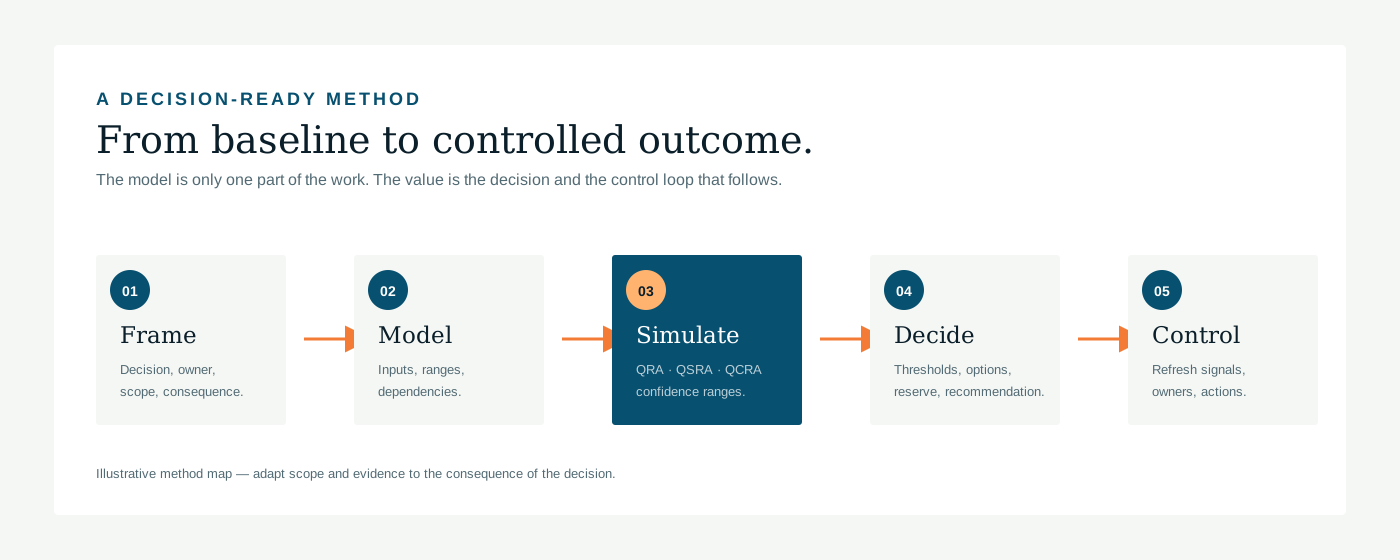
A qualitative screen focuses the conversation; QRA, QSRA, and QCRA then use distributions, dependencies, and scenarios to show how cost, time, and confidence can move.
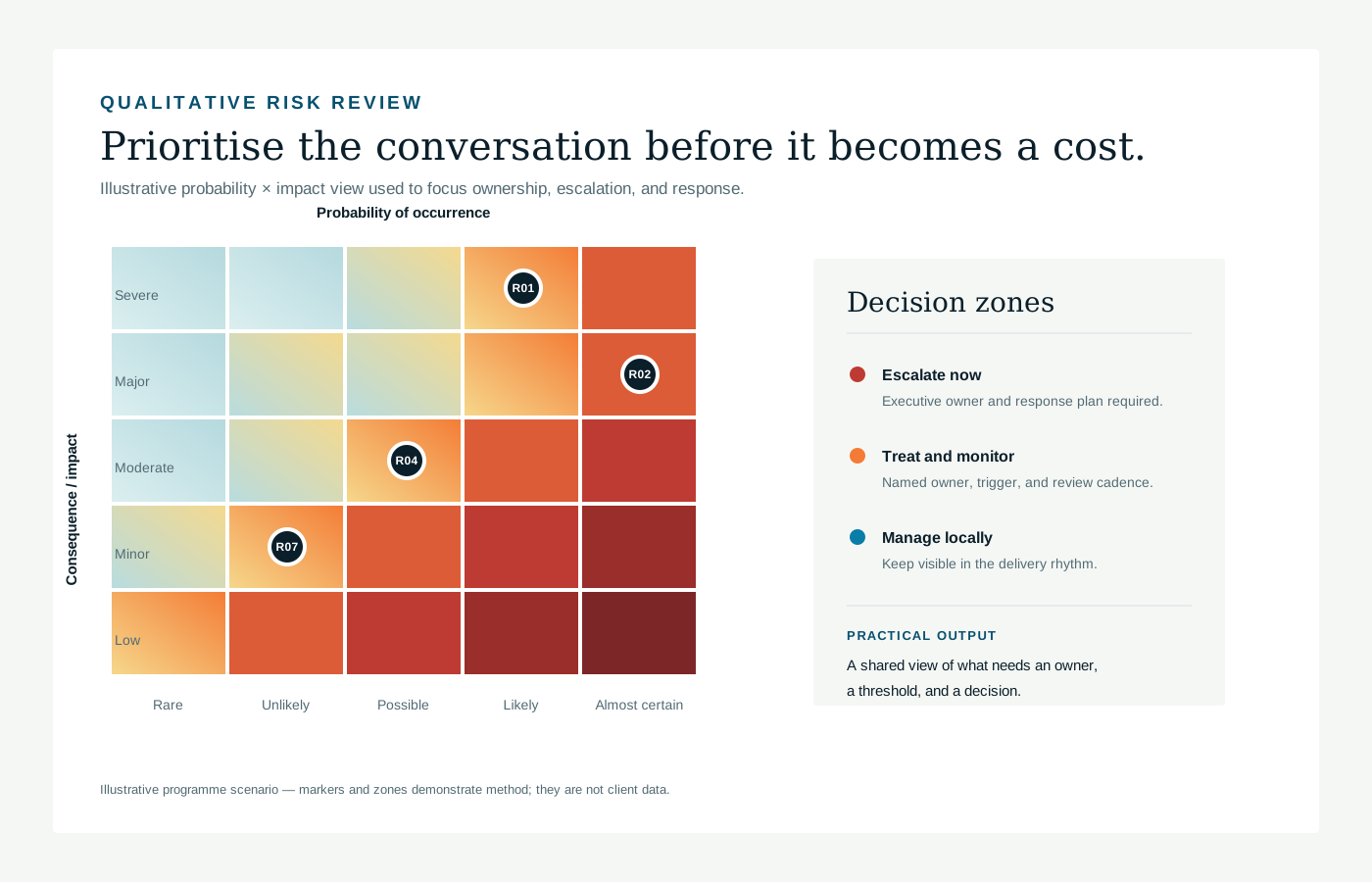
View illustrative values
| Marker | Likelihood | Impact | Decision zone |
|---|---|---|---|
| R01 | Likely | Severe | Escalate now |
| R02 | Almost certain | Major | Escalate now |
| R04 | Possible | Moderate | Treat and monitor |
| R07 | Unlikely | Minor | Manage locally |
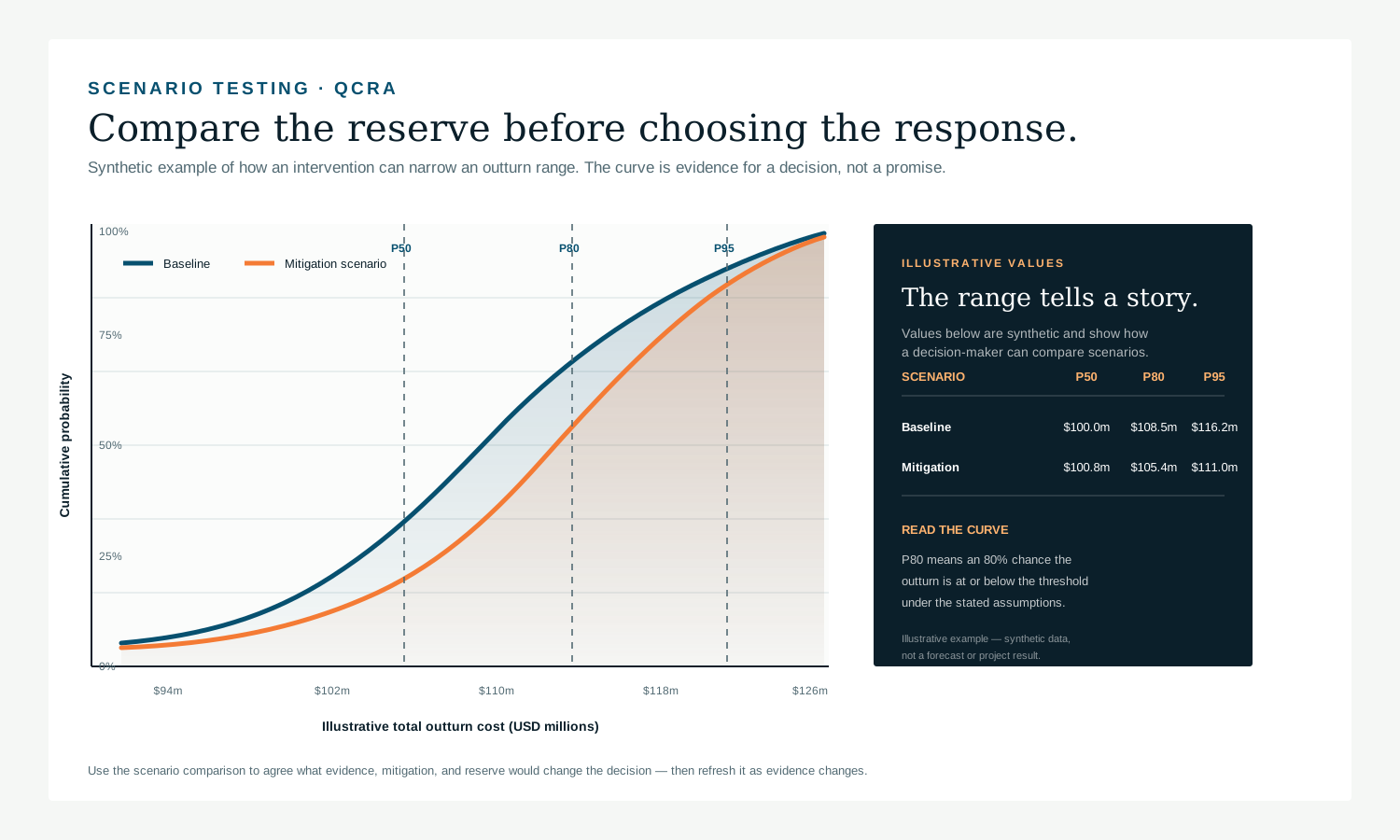
View illustrative values
| Scenario | P50 | P80 | P95 |
|---|---|---|---|
| Baseline | 100.0 | 108.5 | 116.2 |
| Mitigation | 100.8 | 105.4 | 111.0 |
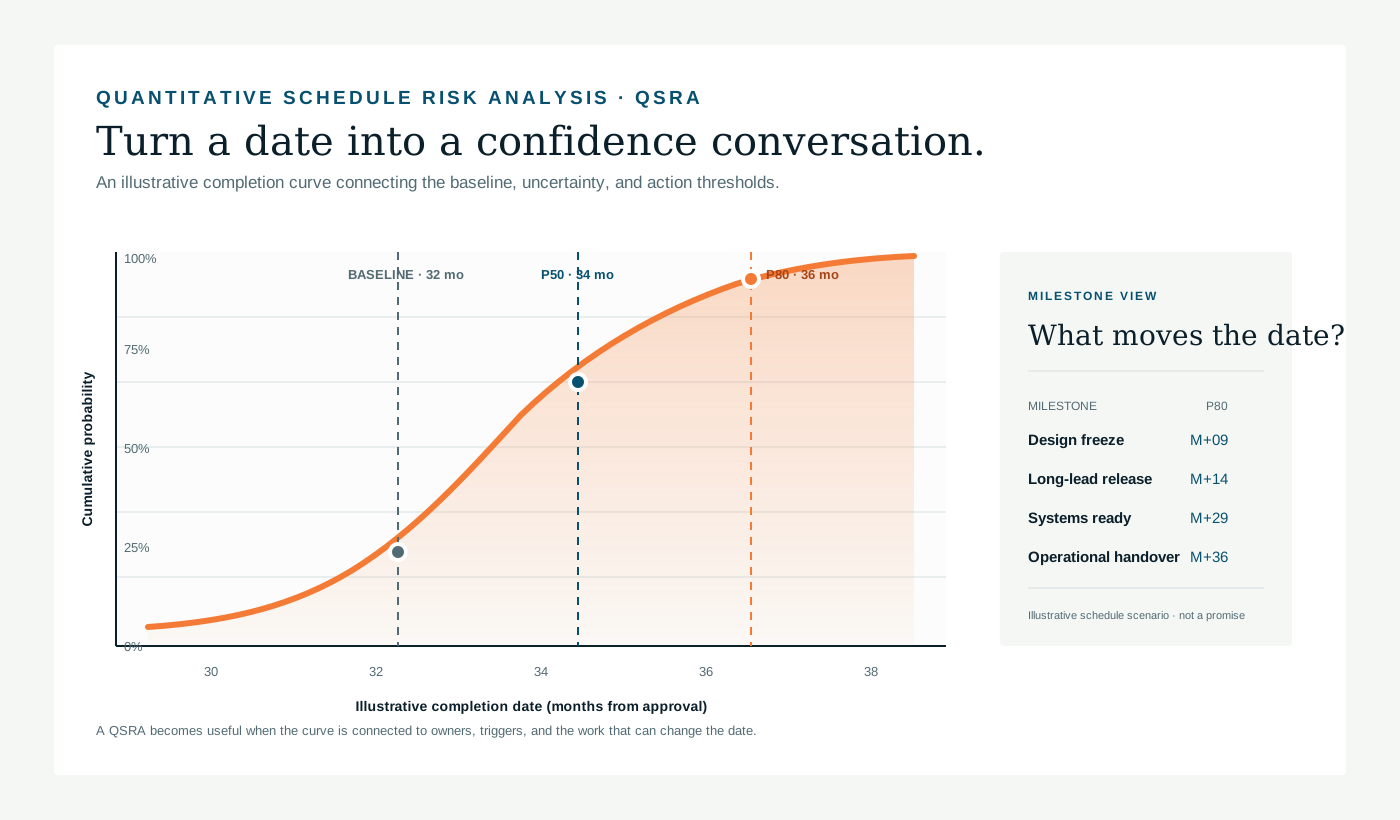
View illustrative values
| View | Completion | Interpretation |
|---|---|---|
| Baseline | 32 months | Reference plan |
| P50 | 34 months | Median modelled outcome |
| P80 | 36 months | 80% at or below under assumptions |
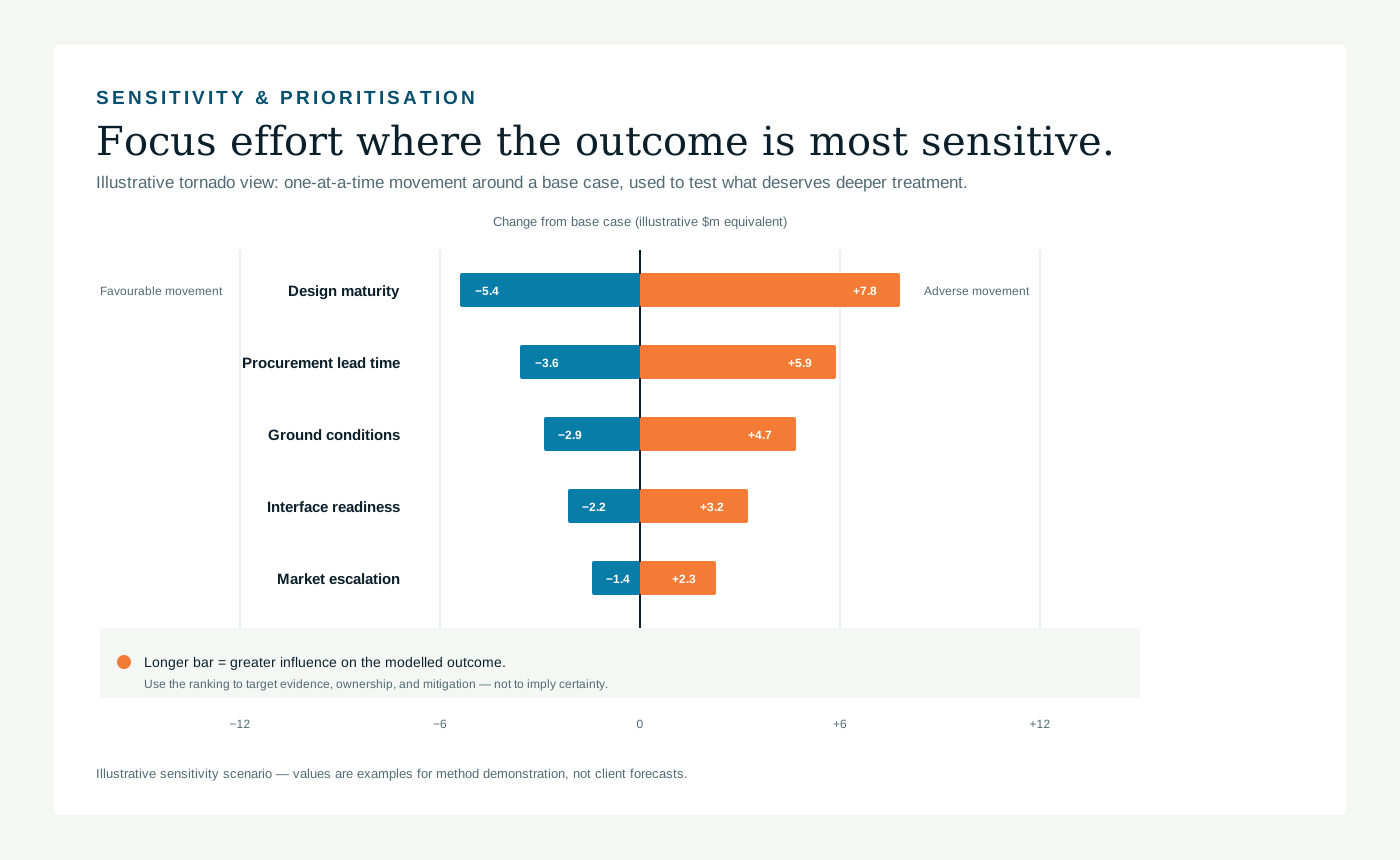
View illustrative values
| Driver | Favourable | Adverse |
|---|---|---|
| Design maturity | −5.4 | +7.8 |
| Procurement lead time | −3.6 | +5.9 |
| Ground conditions | −2.9 | +4.7 |
| Interface readiness | −2.2 | +3.2 |
| Market escalation | −1.4 | +2.3 |
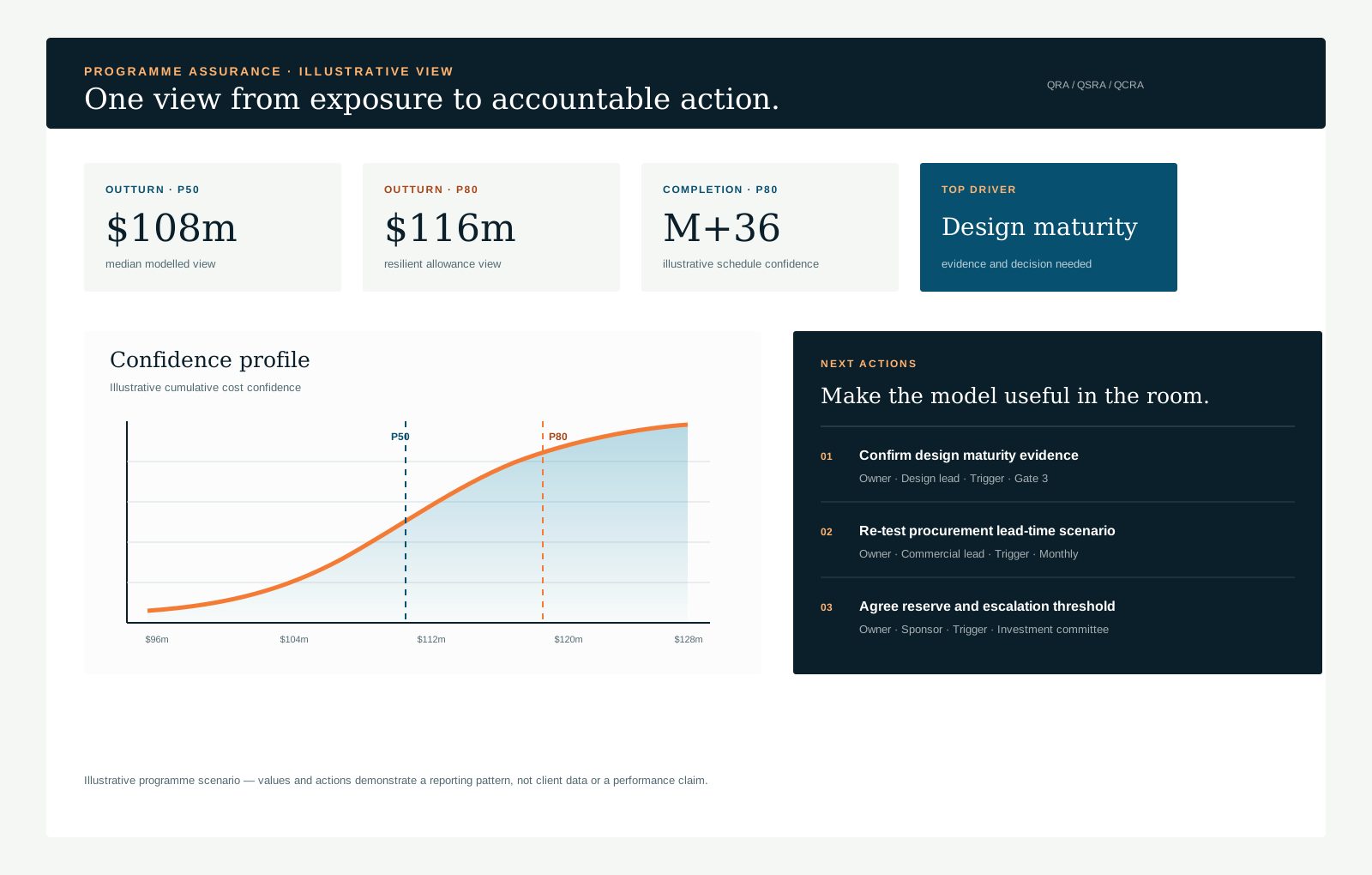
View illustrative values
| Signal | Illustrative value | Decision use |
|---|---|---|
| Outturn P50 | $108m | Median reference |
| Outturn P80 | $116m | Resilient allowance view |
| Completion P80 | M+36 | Schedule confidence |
| Top driver | Design maturity | Evidence and owner needed |
How to read the example
P80 means the modelled value is at or below the threshold in 80% of simulations under the stated assumptions. It is not a guarantee, and the chosen percentile should reflect the decision-maker's risk appetite. Sensitivity ranks influence; it does not remove uncertainty. Every live model should record scope, distributions, correlations, iterations, assumptions, and refresh date.
Quantitative risk analysis
Quantify uncertainty. Protect confidence.
Sponsors, investment committees, programme leaders, lenders, and delivery partners who need uncertainty translated into cost, time, contingency, and confidence ranges.
We start with the decision and work backwards to the evidence, the people, and the controls required to make it defensible. The scope is proportionate to the consequence and designed to remain useful after the engagement.
Common triggers
- The baseline is mature enough for a probabilistic view
- Contingency or completion confidence is being challenged
- A funding, investment, or recovery gate needs quantified scenarios
- Cost, schedule, and risk teams are using different assumptions
Where we help
- Model scope, assumptions, risk events, opportunities, and dependencies
- QRA for integrated cost and schedule exposure
- QSRA for completion dates, milestones, and float confidence
- QCRA for estimate, contingency, and outturn confidence
- Sensitivity, correlation, scenario, and decision-threshold analysis
- Executive briefing that explains ranges, drivers, and actions in plain language
Advice should leave a decision behind.
We make assumptions, dependencies, owners, and next actions visible so the work can move into governance and delivery.
What changes
A stronger view of the next move.
The output is not activity for its own sake. It is greater confidence in what to protect, what to challenge, and what to do next.
Visibility of the few drivers that matter most
Scenarios leaders can compare before committing capital or recovery action
A model and narrative that can be refreshed as evidence changes
Frequently asked questions
A clear start to the conversation.
These answers describe how we typically begin. The right scope depends on the decision and context.
What does a typical engagement include?
We agree the decision, evidence, scope, outputs, and governance route at the outset. The work may be a focused review, a workshop-led assessment, or support through an active decision gate.
How quickly can you help?
Timing depends on the decision and the evidence available. Use the contact form to describe the urgency and we will respond with a proportionate next step.
Will the work replace our existing advisers?
Usually not. We work alongside existing teams and advisers, adding an independent view where the decision, record, or accountability needs greater clarity.
Related capabilities
Connected support when the situation crosses disciplines.
Complex decisions rarely stay inside one service line.
Related sectors
Context that sharpens the question.
Sector experience helps us recognise the interfaces and promises around the decision.
Start with the decision
Bring us the question behind the request.
Share the context, timing, and consequence. We will respond with a proportionate next step.
Open the contact form